Exploratorium – A Hands-On Coastal Learning Installation
Exploratorium
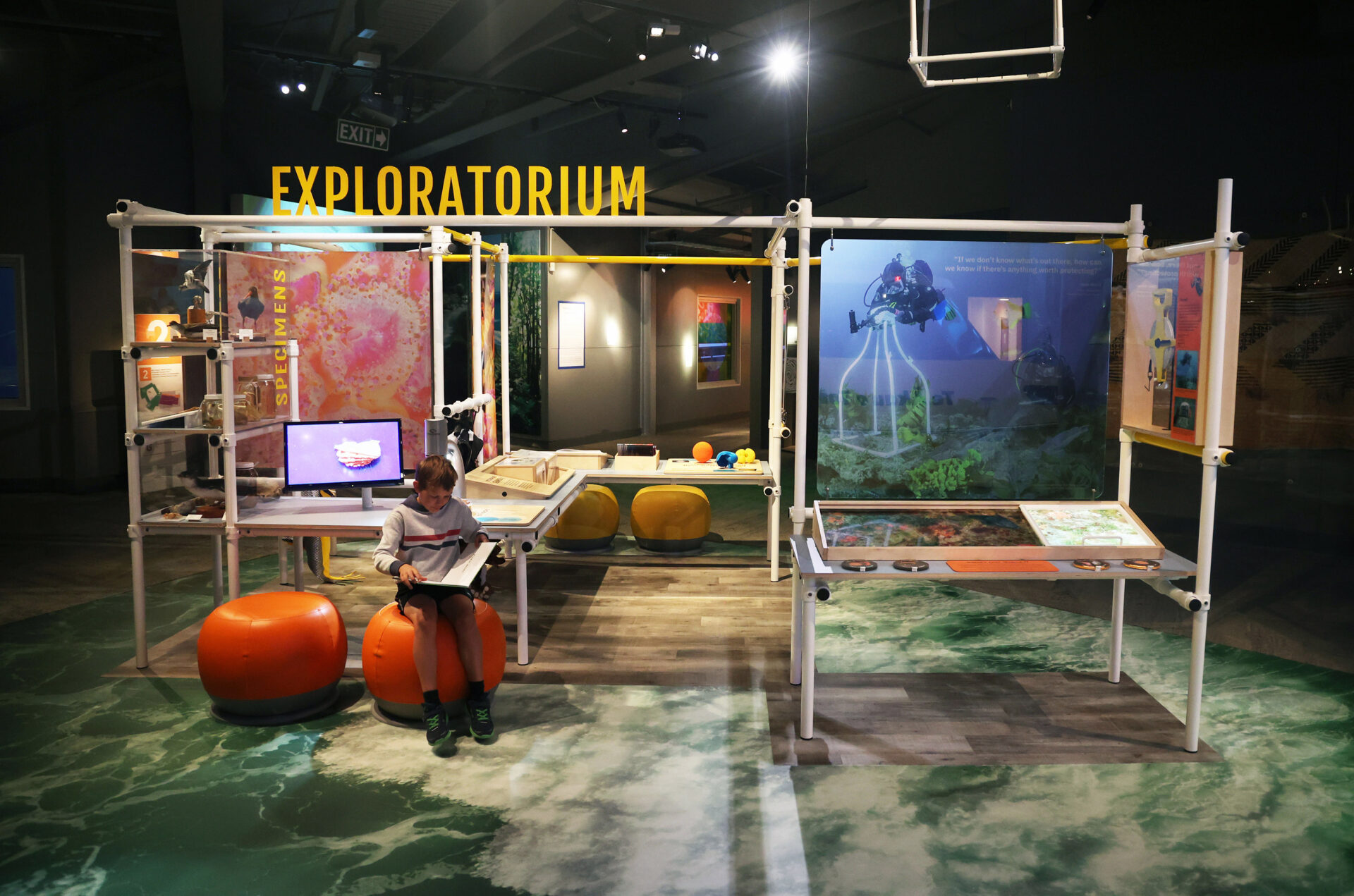
Exploratorium
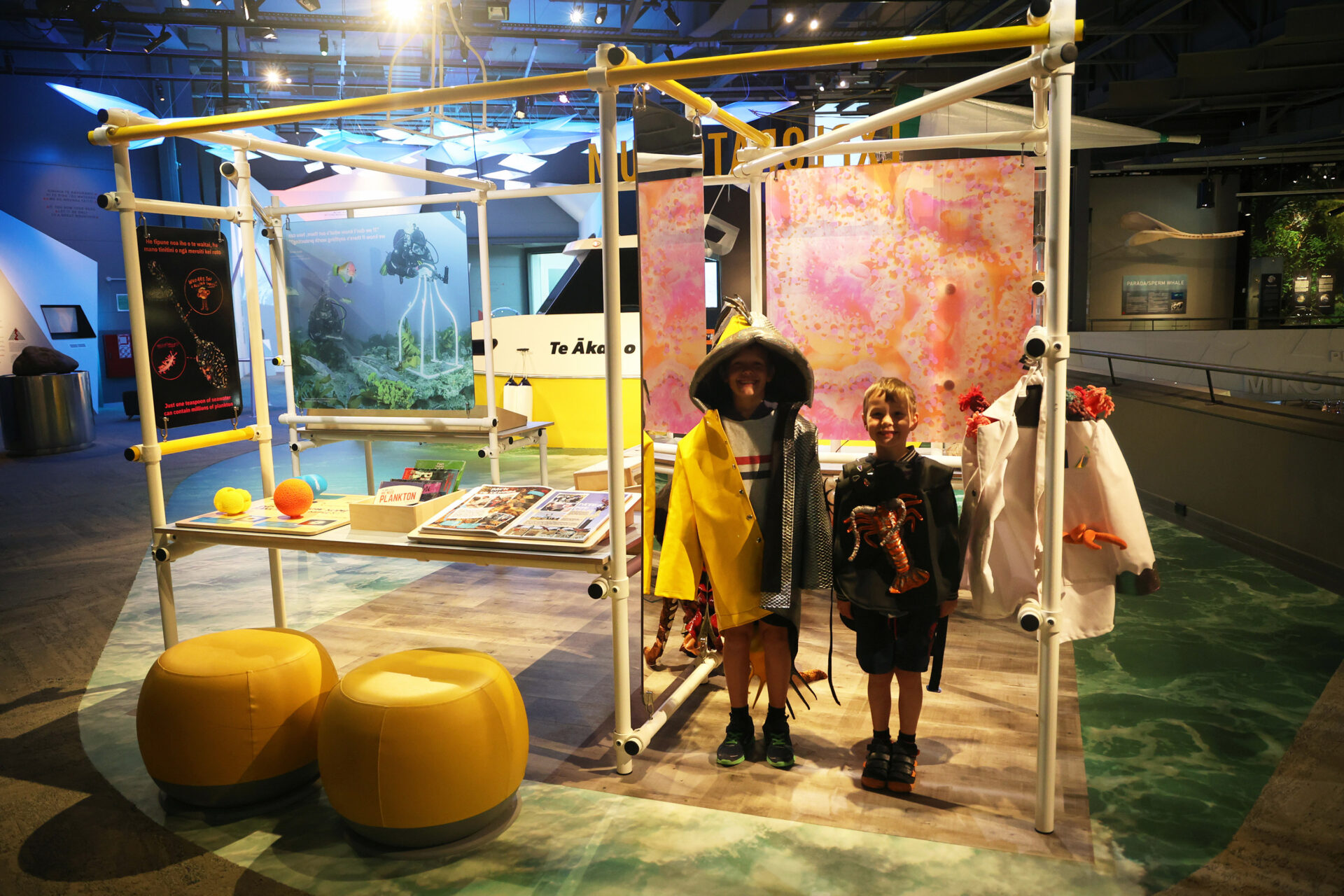
Exploratorium
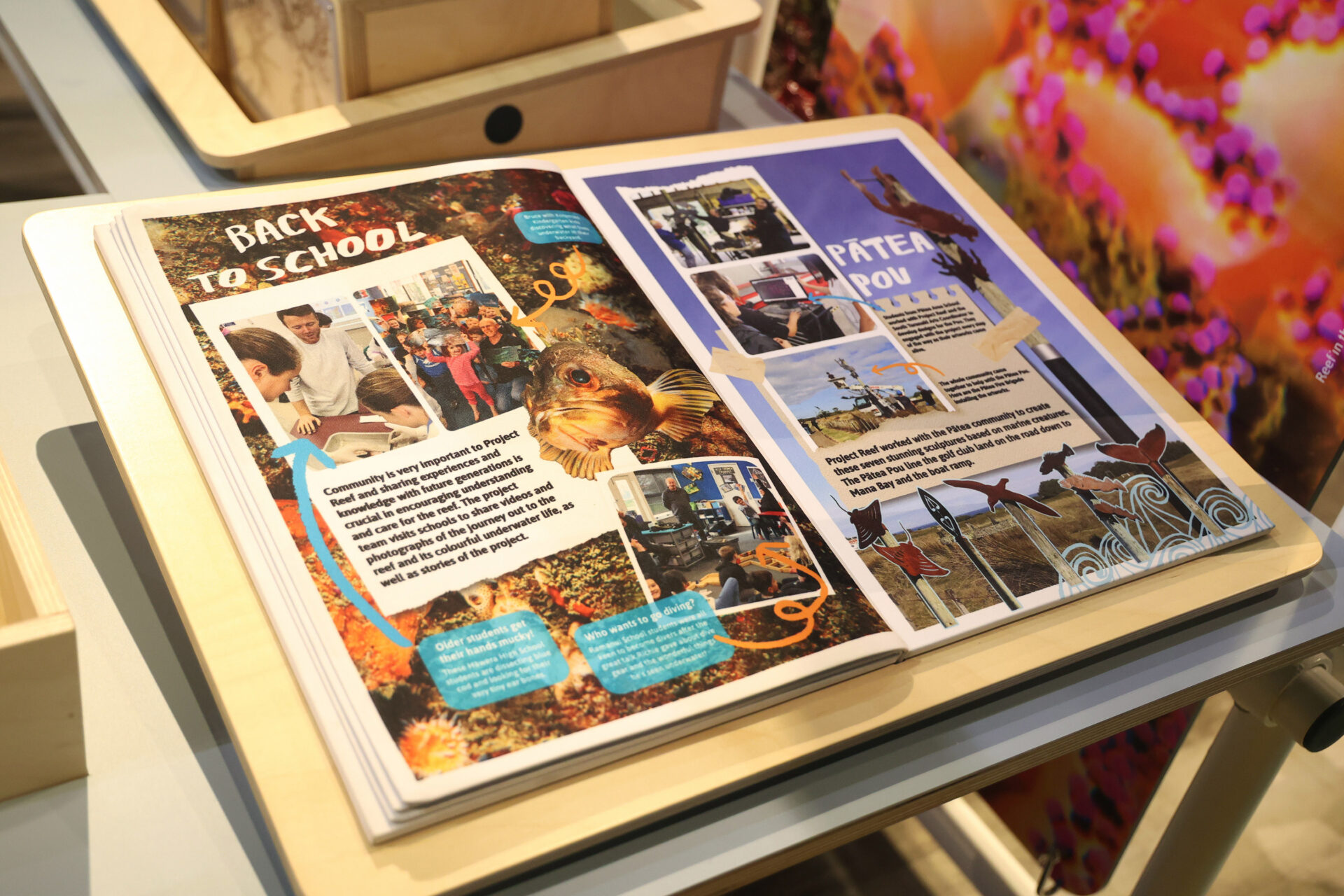
Exploratorium Fabric Book
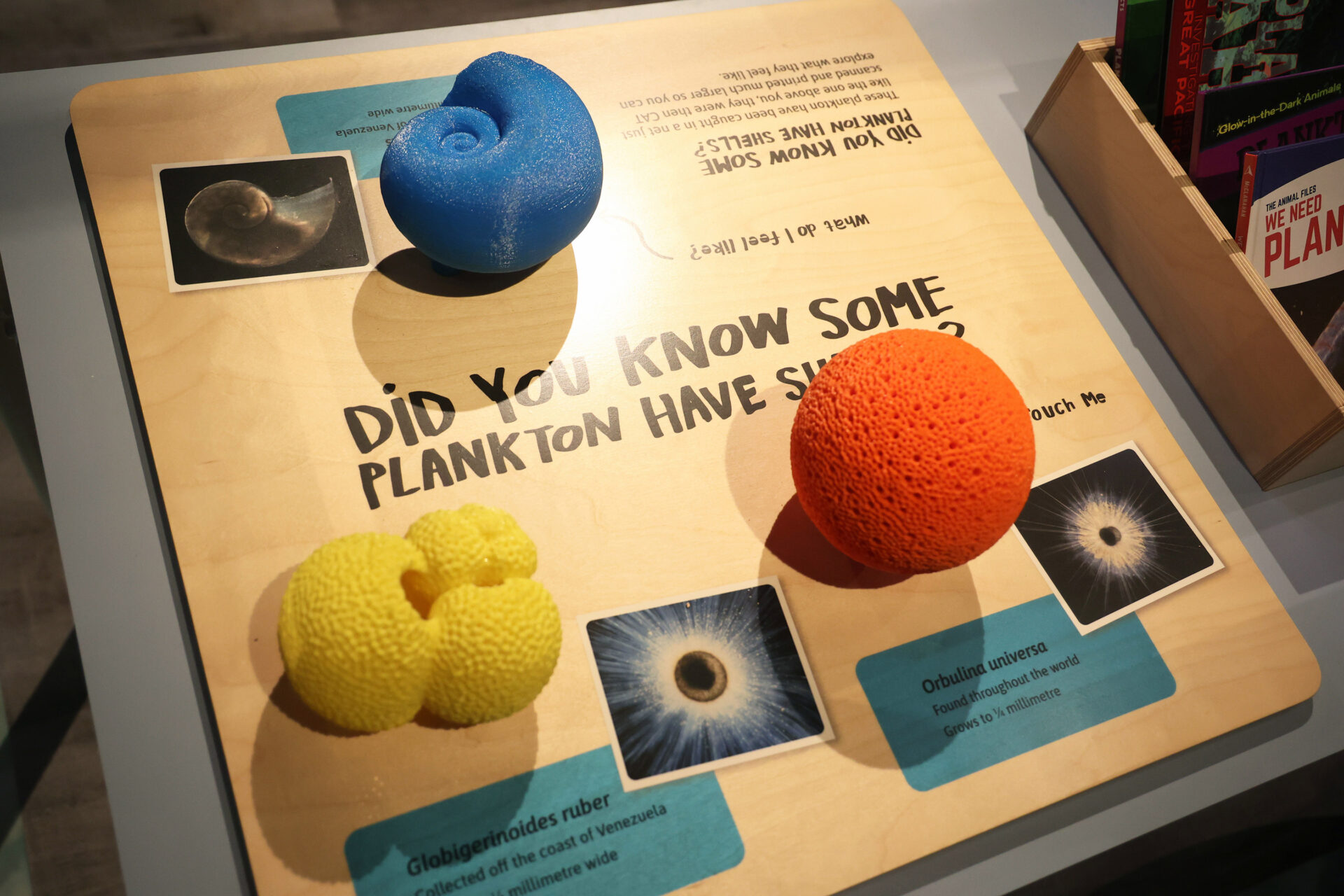
3D-printed plankton models
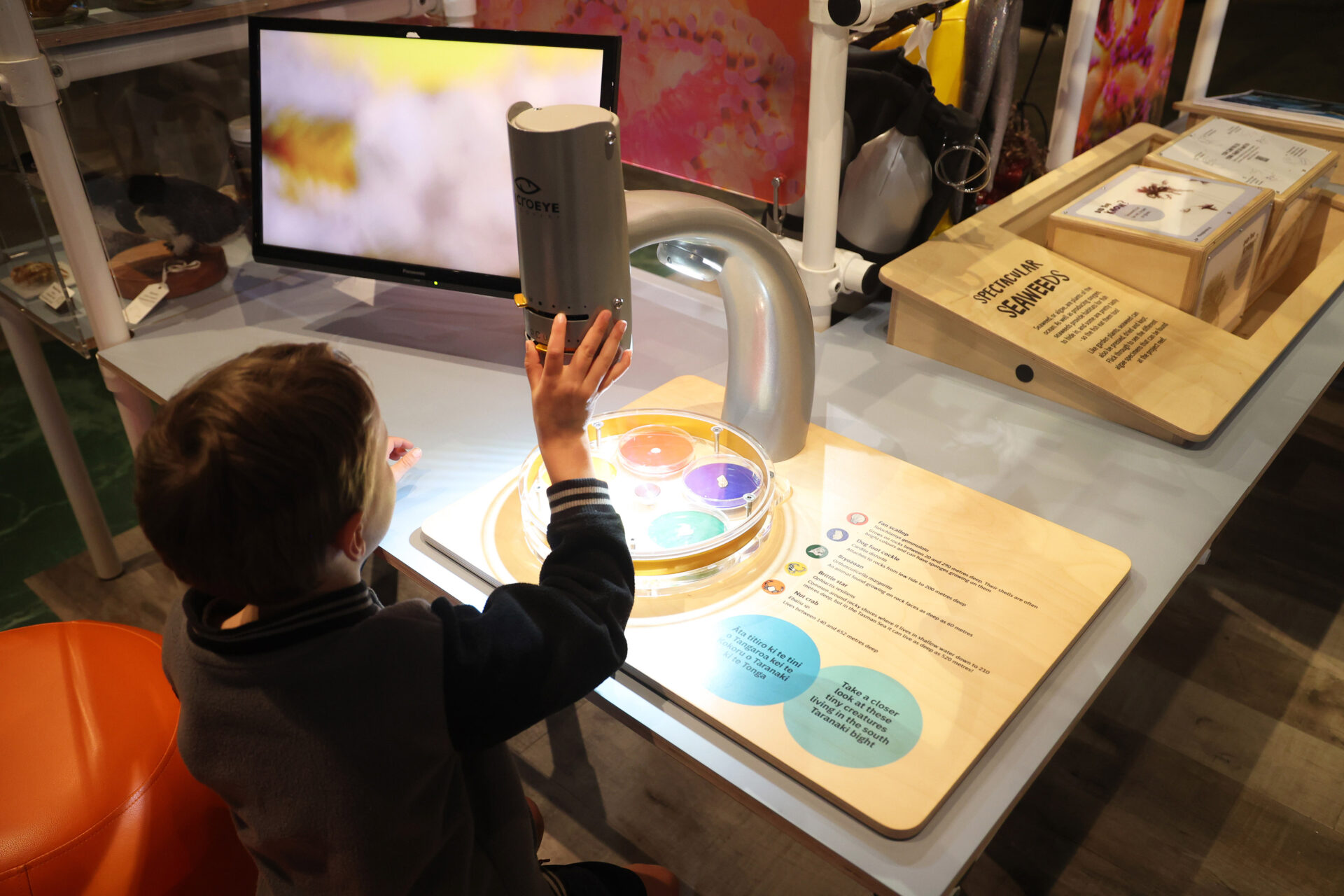
microscope stands, trays, and a monitor bracket
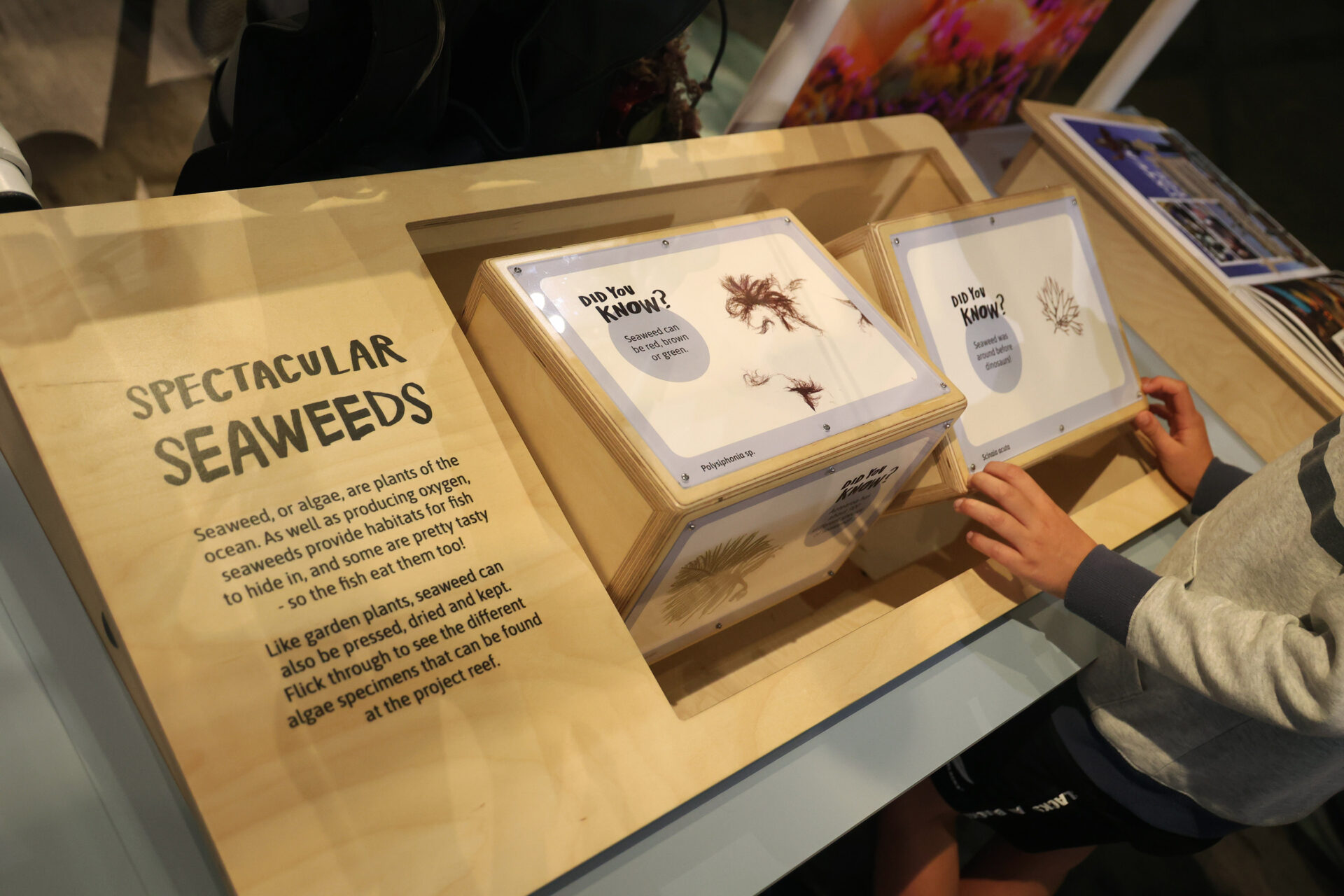
Moving Parts
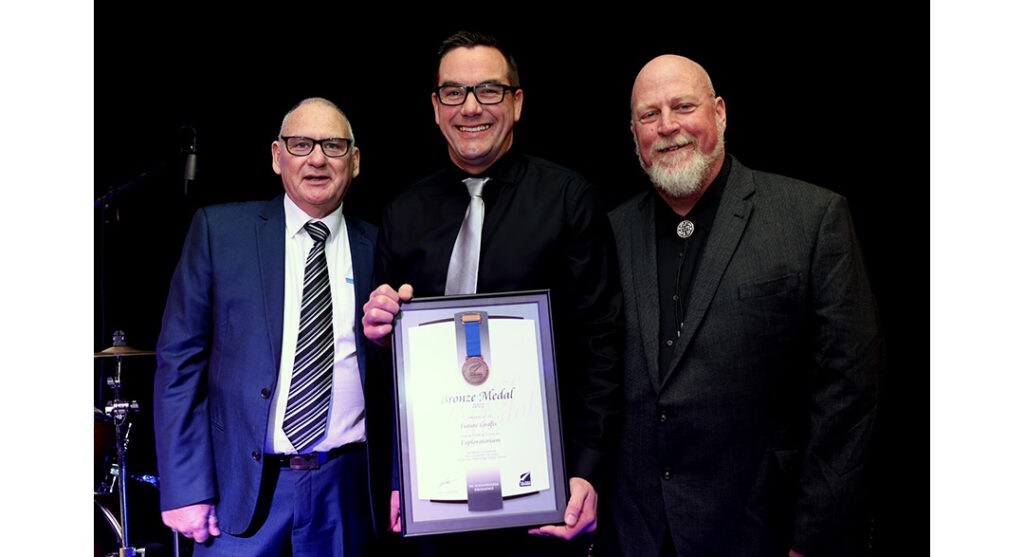
BRONZE-MEDAL-Exploratorium-NZSDA
About This Project
Some projects test your entire toolbox. Exploratorium was that kind of project.
Our client began with sketches of a structure made from steel pipe, packed with interactive elements to teach people about the marine reserve reef off the coast. we had six months to bring it to life, and it would stay in place for 18 months.
Designing a Smart and Safe Frame
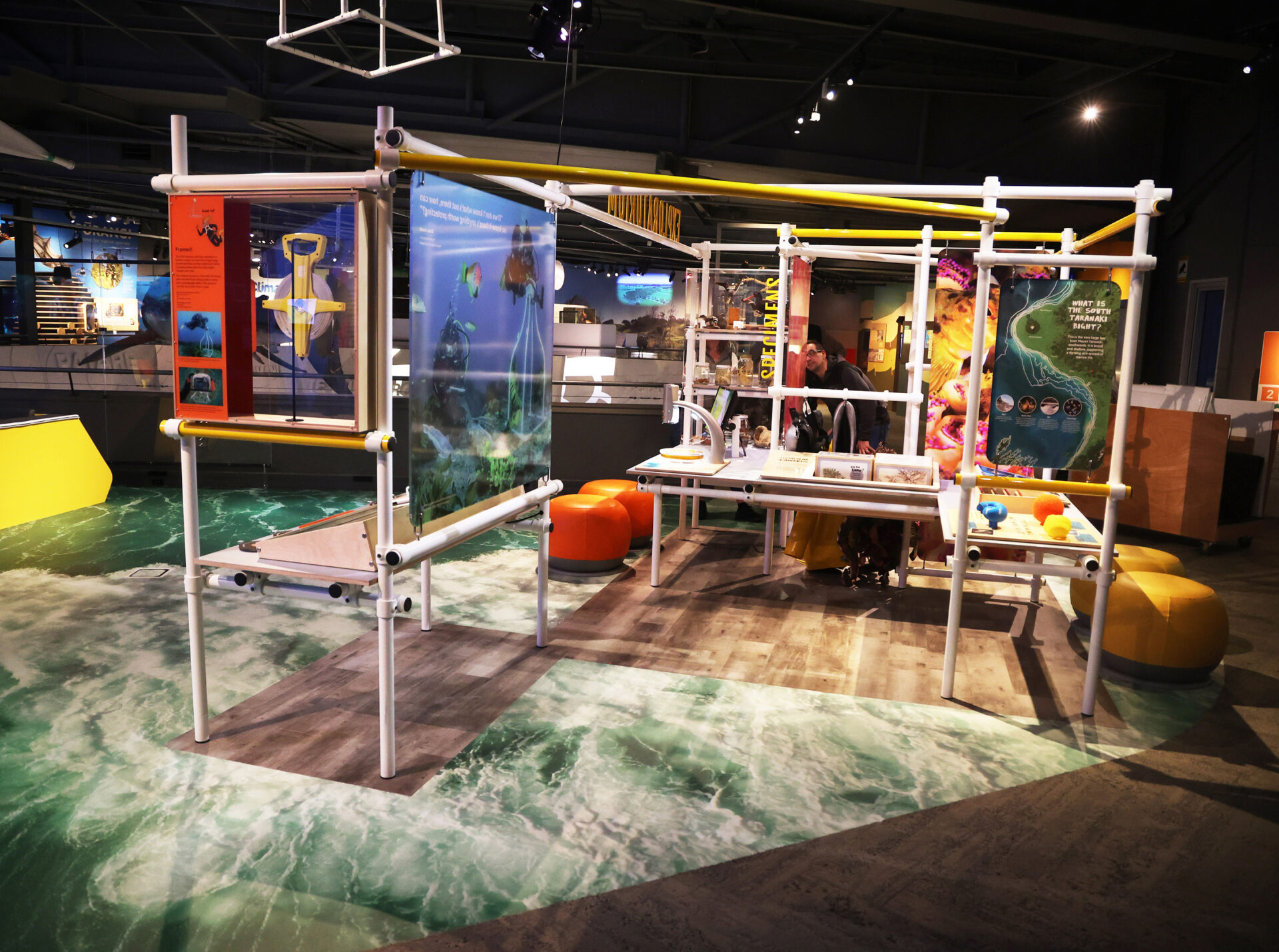
We started by CAD-designing the structure to map out all the pole placements and generate an accurate cutting list. The frame uses scaffolding pipe, but instead of traditional clamps, we sourced low-profile grub screw brackets to eliminate sharp edges and hazards.
To secure it to the concrete floor, we turned floor plugs on the lathe and fixed them with dyanbolts. The pipe slips snugly over the plugs, locking the frame into place with precision.
Bold Branding and a Clean Finish
The EXPLORATORIUM title was laser-cut from 3mm steel plate. We welded it to the top pipe using a custom jig yo ensure even spacing and perfect alignment. Once assembled, we powdercoated the entire frame white and masked off sections to paint in vibrant yellow. To finish, plastic caps covered every exposed edge.
Displays with Detail and Durability
Tabletops and shelving were router-cut from HPL laminate ply. We recessed LED strip lighting into the higher shelves to highlight displayed objects. Around these, clear acrylic panels formed protective cases to keep specimens safe and visible.
Graphic panels were made form 6mm clear acrylic backed with digital prints. The dress-up area included mirrored acrylic laminated behind printed graphics. We crafted panel mounts by welding D-shackles to the heads of stainless bolts.
A Fabric Scrapbook That Tells the Story
Paper wouldn’t last in this high-traffic setting, so we printed the project’s story pages on fabric, then heat-pressed badge backing to stiffen them. The pages were folded and sewn, then mounted into a raised plywood stand using countersunk screw under fabric-wrapped MDF covers. Each page feeds through a slot and clamps in place – strong, functional, and tactile.
Creative Solutions for 3D Models
The client provided fragile 3D-printed plankton models, but they weren’t mountable. We requested the files, added solid cores, thickened the walls, and flattened the bases. After reprinting, we tapped threads into each model and bolted them directly to a printed plywood panel.
Games, Microscopes, and Moving Parts
We built microscope stands, trays, and a monitor bracket using ply. acrylic, and leftover scaffold components. For the seaweed sample tumbler, we designed a nylon-rod mechanism that applies constant pressure to control the spin. The pressed samples sit beneath clear acrylic panels inside recessed ply boxes. with printed vinyl labels.
The plankton game was the trickiest element. It includes a sliding frame made from ply and acrylic, set inside precise grooves. As users move it side to side, magnetic switches trigger LED lights that reveal plankton types. Kids count them, then lift flaps to check their answers. Fitting the wiring and keeping the light confined took some serious fine-tuning.
An Ocean Floor Underfoot
To completed the space, a local flooring contractor installed wood-look vinyl under the structure. Around it, they laid custom-printed vinyl flooring featuring a reef graphic – sourced through a contact in the Netherlands. The result created the effect of walking directly onto the ocean floor.
A Build to Remember
This project pushed us creatively and technically. From digital fabrication to custom wiring and joinery, we used every skill on the table.
We’re proud of what we created and thrilled to pick up a BRONZE MEDAL for this project at the 2022 New Zealand Sign & Display Awards in the Exhibition & Display category.

Custom Field
Lorem ipsum dolor sit amet
Date
20 November